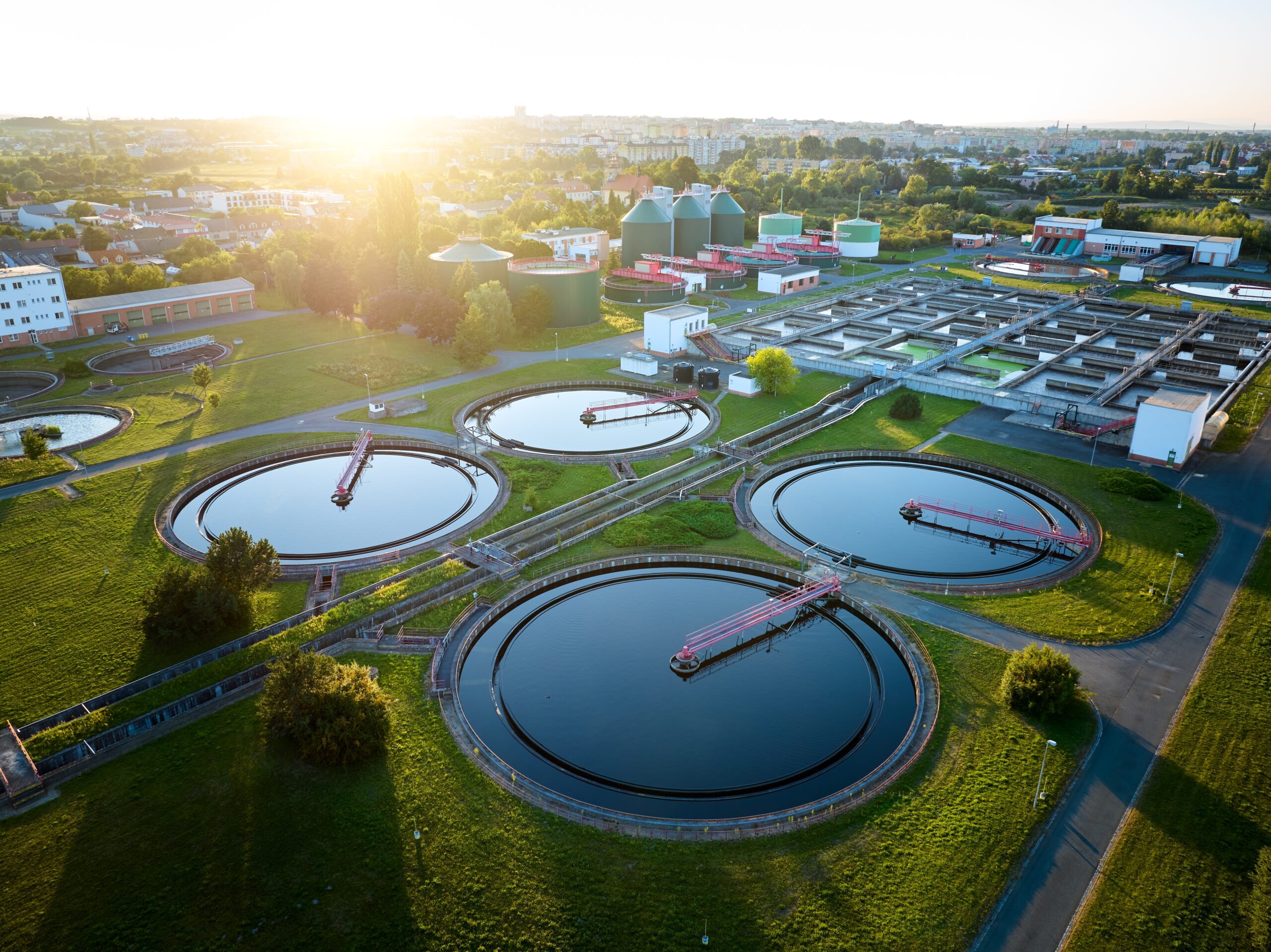
Wastewater Treatment
Keeping our water clean is a vital and energy intensive operation. It’s been estimated it takes up to 3% of all electricity produced (1).
When oxygen is introduced to the wastewater treatment process, trials have shown it can reduce energy consumption and increase ammonia removal. These gains translate into increased capacity and reduced sludge transportation and disposal. Our electrolysers can produce oxygen at 99.5% purity right next to the processing where it’s needed. And that still leaves high purity, fuel-cell grade hydrogen as a saleable commodity or for on-site mobility uses like forklift trucks, heavy duty vehicles or even the local bus company.
Have you read our white paper?
Published in July 2025, the paper explores how our patented and proven clean technology has many advantages, as shown in recent and independently verified customer test results. It explores the reasons for performance differences, the polarisation curve and the constraints of a membrane approach. The paper shows how the CPH2 technology has been shown to improve levelised costs versus older systems and is able to follow the variable load of wind of solar power, with limited loss of efficiency, and still deliver high purity hydrogen and oxygen.
By harnessing green power from the grid during periods of wind curtailment, we aim to produce oxygen, reduce energy consumption, lower greenhouse gas emissions, and explore the potential of using hydrogen fuel cells to power the plant.
Neil McKenzie
Director, Lagan MEICA JV Principal Contractor to Northern Ireland Water
References: (1) Campana, P.E.; Mainardis, M.; Moretti, A.; Cottes, M. 100% renewable wastewater treatment plants: Techno-economic assessment using a modelling and optimization approach. Energy Convers. Manag. 2021, 239, 114214