
How clean hydrogen can keep data centres ticking when crises hit
Uptime is everything in the world of data centres and the winter storms in the USA earlier this year were a powerful reminder that even with careful planning, catastrophe can still strike.
TikTok took a hit after the weather took down a primary US data centre site operated by Oracle in January, causing issues with core features, from content posting to view counters. Services were soon back up and running but the incident will have brought the risks home for many.
The Uptime Institute’s most recent survey found that power issues are still the main cause of impactful data centre outages, accounting for 45% of incidents in 2025. Aging electricity grid infrastructure and the destabilising effects of intermittent renewable energy sources, like wind and solar, are creating new challenges for the sector.
We need solutions to keep data centres connected and clean hydrogen can be part of the answer.
Reliable, on-site hydrogen generation
Traditionally, backup power has been provided by diesel generators, supplied by deliveries to often remote locations, or by batteries, charged from the grid when it was available. These models have their problems.
If the electricity grid is already down then whatever caused it, whether storms, snow, wildfires or floods, could also be interrupting diesel deliveries. Ironically, diesel is delivered by road, in a diesel truck, compounding both the supply risk and carbon footprint. Batteries are great for instant response, but even large banks can be depleted in minutes or a few hours at best.
Hydrogen offers a resilient alternative for longer duration backup. With an on-site electrolyser producing fuel-cell grade hydrogen, the data centre can stay running long enough to outlast almost any grid outage.
Advances in hydrogen production technology mean that data centre operators can now make their own hydrogen on site, even from intermittent wind or solar power, right where they need it and without ever needing to rely on a third-party delivery again.
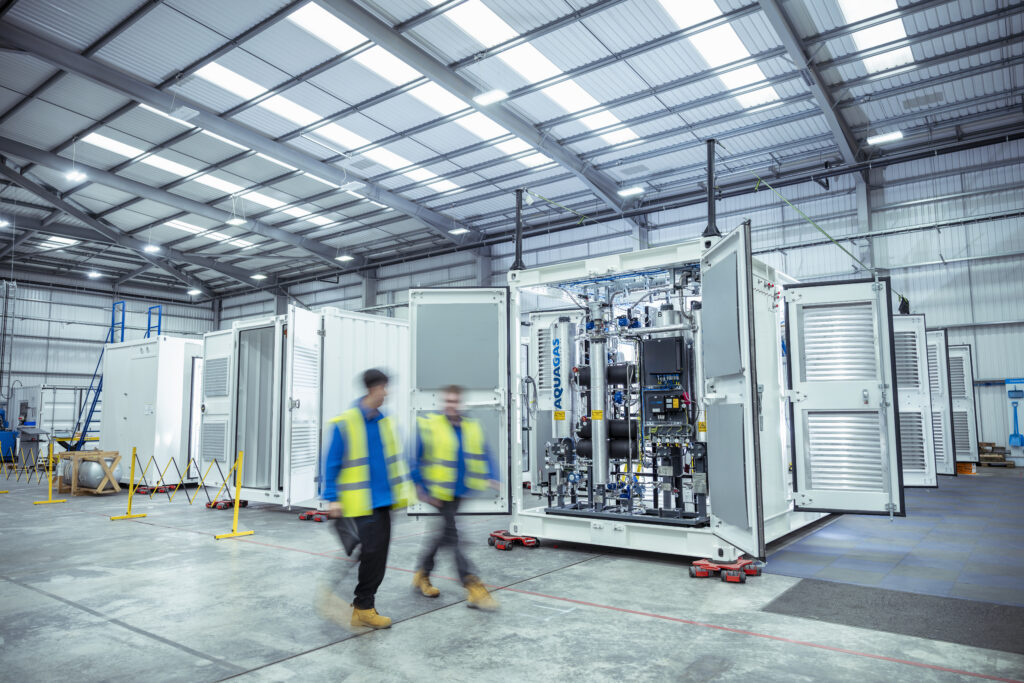
Crucially, our CPH2 modular electrolysis units are membrane free. That means they are far more reliable than conventional electrolysers, because membranes inevitably clog up and fail causing breakdowns. No membrane – no failure.
Data centre demand is only growing. JLL has predicted that global capacity will double between 2026 and 2030, with nearly 100 GW of new data centres added. As our economies and societies become increasingly reliant on this critical infrastructure, keeping systems online and avoiding disruption is vital. Hydrogen innovation will play an important role.
By Richard Scott, CCO